
Irish Landscape Photography


A beautiful Irish spring evening with the amazing sunset behind in beautiful Co. Donegal, Ireland.
Beautiful Ireland and its Irish landscape an image a picture of a sunset.
Check out our Youtube channel click here

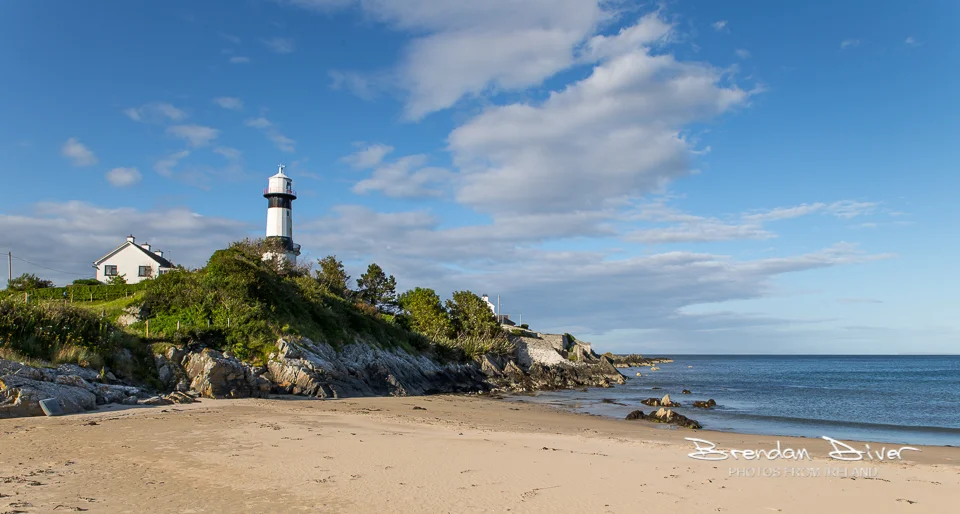
Pollan beach in Ballyliffin, Clonmany, Inishowen, Co. Donegal in Autumn.
Check out our Youtube channel click here


Lough Fad, Clonmany, Inishowen, Co. Donegal, Ireland. This stunning beauty spot is a beautiful landscape for images and creating photographs. A picture of sunset,art with photography, near Clonmany, Carndonagh and Buncrana.
Check out our Youtube channel click here


The lone photographer sits alone on a dark starry night in Donegal.
This beautiful landscape creates images and beautiful landscape photos of ireland. As an Irish landscape photographer a landscape any picture, be it a picture of sunset or a dark night can be art with photography.
Check out our Youtube channel click here


Trawbreaga Bay, Inishowen Co. Donegal near Malin, Carndonagh and the stunning Isle of Doagh near the Doagh famine village in Clonmany. Amazing sunsets in this landscape photo, a landscape picture, a picture of sunset. Art with photography especially an Irish picture with seascapes and setting sun are amazing.
Check out our Youtube channel click here


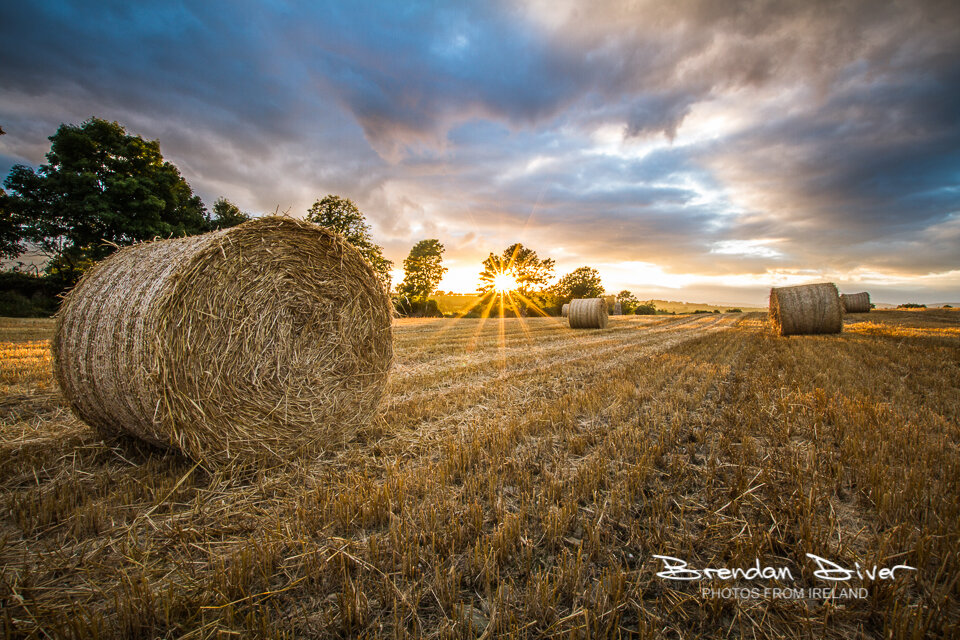
The winter gives some amazing sunsets here in Ireland and this evening was no exception. There is a magical glow in the sky and the colours are different from other seasons.
Irish landscape photography can be some of the most beautiful.
Check out our Youtube channel click here

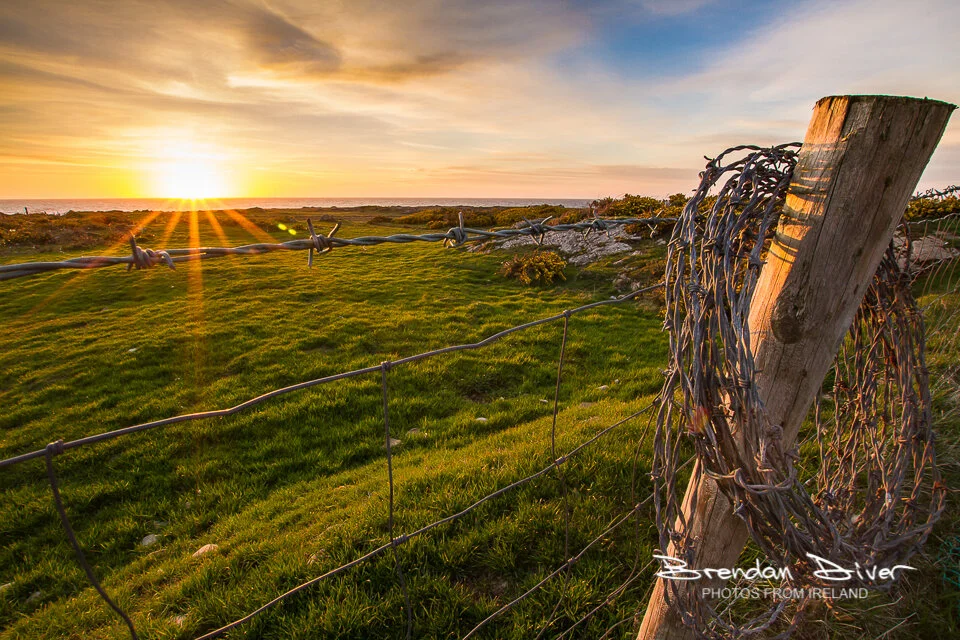
A beautiful Irish spring evening with the amazing sunset behind in beautiful Co. Donegal, Ireland.
Beautiful Ireland and its Irish landscape an image a picture of a sunset.
Check out our Youtube channel click here


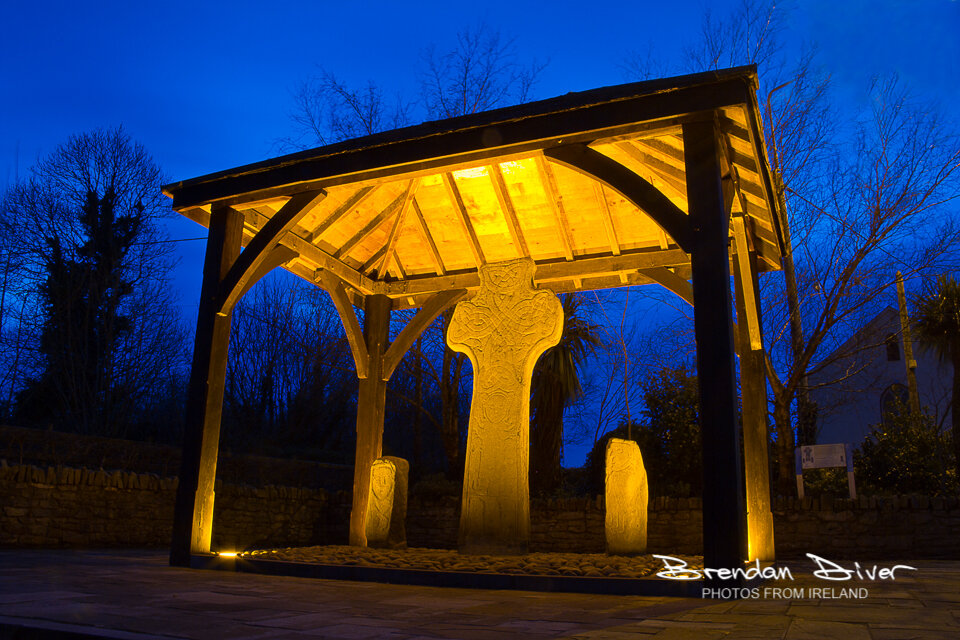
The high cross at Carndonagh is also known as the Donagh or St. Patrick’s Cross. It is located on the Inishowen Peninsula in County Donegal, see the photo to the left. This cross is part of a group of crosses that Peter Harbison identifies as the Northern or Ulster Group. The group includes crosses at Arboe, Armagh, Camus, Donaghmore/Tyrone, Galloon and others. (Harbison, 1992, p. 373)
In the Northern Group, Christ is typically shown wearing “a colobium-like garment which comes to just below the knees.” (Harbison, 1992, p. 274) [In Roman usage, the colobium was typically a sleeveless tunic.] This is true of the Carndonagh Cross, though the garment appears to have sleeves. The Carndonagh Cross is, however, different from many of the crosses in the group in having the crucifixion scene on the shaft of the cross rather than the head.
It is also typical of the Northern group of crosses for the two theives crucified with Jesus to be shown on the arms of the cross. With the crucifixion placed on the shaft of the cross that is certainly not the case with the Carndonagh Cross. It is possible, however, that the thieves do appear.
The Monastery
Tradition suggests that a church or monastery was founded in the fifth century by Saint Patrick or one of his followers. Little beyond this tradition is known about the origins or history of the monastery at Carndonagh. Indeed, the supposition there was a monastery there seems to be based in large part on the presence of the Carndonagh Cross. The majority of the Irish High Crosses are related to a monastery. Their presence suggests the monastery in question had achieved a level of prosperity and importance.
Dating the Cross
There is some debate about the dating of the Carndonagh Cross. Estimates range from the 7th to the 10th century. As you will find below, some scholars claim a 7th or 8th century date for the cross. The best example is Francoise Henry. Her dating is reflected in a number of online sites including Megalithicireland.com; Megalithomania.com; tourdonegal.com; and discoveringireland.com. Others, including Peter Harbison and Robert Stevenson lean toward a late 9th or 10th century date. Based on an early date, Henry saw the Carndonagh Cross as one of the earliest of the Irish High Crosses. This distinction is lost if the cross is dated to the 9th or 10th century. Some of the points in the discussion are mentioned below. You can, of course, draw your own conclusions.
The dating of the Carndonagh Cross has frequently been related to the dating of the Fahan Mura Cross Slab.


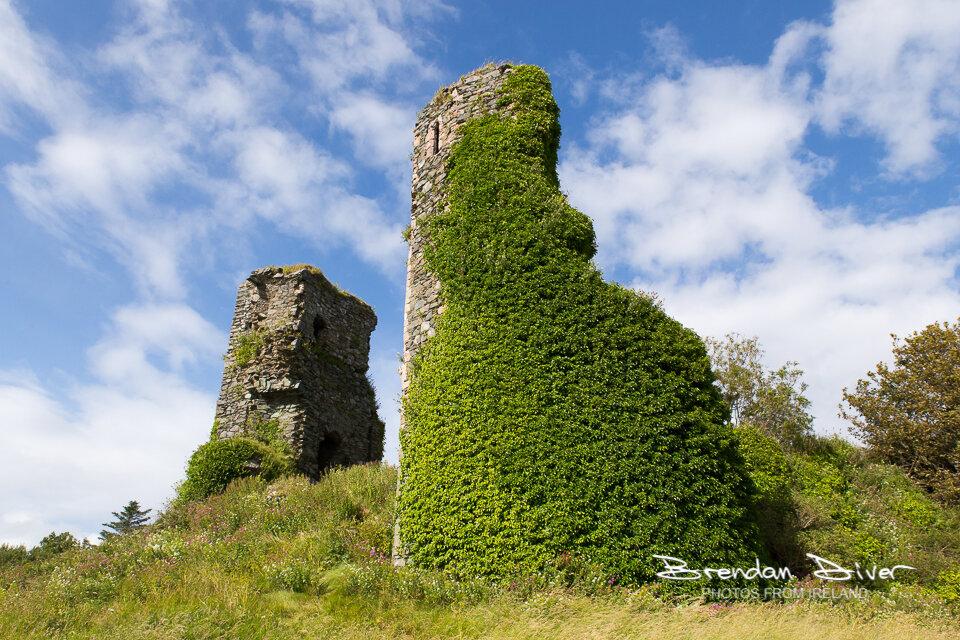
Carrickabraghy Castle, one of the iconic sites of the historic Inishowen peninsula, was in ruins and in imminent danger of collapse.
Thanks to a substantial grant from the National Rural Development LEADER Programme and having raised over €30,000 from local fundraising events and generous contributions from supporters at home and abroad, the Carrickabraghy Restoration Society was able to complete the first phase of the work of conservation in December 2013.
Funding will still be required for maintenance and for further archaeological work on the site so any help or donations towards these projects will be gratefully received.
This O Doherty Castle, one of five in Inishowen, known as O Doherty Country, is of historical, architectural and cultural importance and has potential for further development. We appeal to you to continue to support us in our effort to highlight our heritage and enlighten future generations about this historical monument.
A long and rich history
Built in the 16th century on a rocky promontory with spectacular views of the Donegal hills and headlands, this O’Doherty stronghold stands on the site of a pre-Viking settlement recorded in the Annals (of Ireland).
Read a verse about the castle from a poem called ‘Dear Old Inishowen‘ by Alexander Reid.
Where roaring billows rage and foam, and sweep the land in spray.
Glashedy rears his rugged head, and smiles on Pollan Bay.
Behind does an ancient Castle stand, erected by one McFall.
All now that remains is the crumbling tower of that once majestic hall.

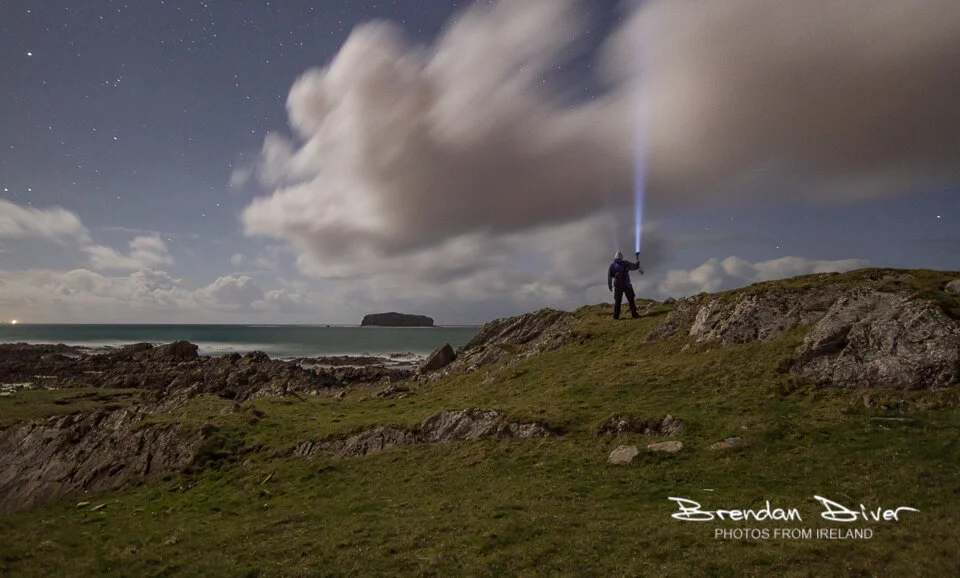
Carrickabraghy Castle, one of the iconic sites of the historic Inishowen peninsula, was in ruins and in imminent danger of collapse.
Thanks to a substantial grant from the National Rural Development LEADER Programme and having raised over €30,000 from local fundraising events and generous contributions from supporters at home and abroad, the Carrickabraghy Restoration Society was able to complete the first phase of the work of conservation in December 2013.
Funding will still be required for maintenance and for further archaeological work on the site so any help or donations towards these projects will be gratefully received.
This O Doherty Castle, one of five in Inishowen, known as O Doherty Country, is of historical, architectural and cultural importance and has potential for further development. We appeal to you to continue to support us in our effort to highlight our heritage and enlighten future generations about this historical monument.
A long and rich history
Built in the 16th century on a rocky promontory with spectacular views of the Donegal hills and headlands, this O’Doherty stronghold stands on the site of a pre-Viking settlement recorded in the Annals (of Ireland).
Read a verse about the castle from a poem called ‘Dear Old Inishowen‘ by Alexander Reid.
Where roaring billows rage and foam, and sweep the land in spray.
Glashedy rears his rugged head, and smiles on Pollan Bay.
Behind does an ancient Castle stand, erected by one McFall.
All now that remains is the crumbling tower of that once majestic hall.


Carrickabraghy Castle, one of the iconic sites of the historic Inishowen peninsula, at night with long exposure photography.


Cloncha Church
https://www.youtube.com/watch?v=7yvVfiZljKE&t=15s
Monastic Site
The 17th century planter's church ruin at Cloncha is believed to have been built on the foundation of an earlier church associated with a monastic site founded by St Morialagh in the 6th Century. The monastery was one of the most important foundations in the development of Christianity on Inishowen. It's proximity to Carrowmoreand another monastic site founded by St Boudan in Culdaff made this area a great seat of skill and learning. Only two high crosses remain - an upright tall cross with one reconstructed cross arm, and the head of another cross. The 10/11th Century tall cross, known as St Boden's Cross, is 3.95 metres high with carving divided into panels. The west face shown left, has two celtic interlace designs with the hermits St Peter and St Paul between them, immediately above the saints are two lions. The east face also features celtic interlace panel and the only sculptural panel has been identified as the miracle of the loaves and fishes. In the same field west of the High Cross, is the head of a 12th century wheel cross lying prostrate with a large base next to it.


Cloncha Church
https://www.youtube.com/watch?v=7yvVfiZljKE&t=15s
Monastic Site
The 17th century planter's church ruin at Cloncha is believed to have been built on the foundation of an earlier church associated with a monastic site founded by St Morialagh in the 6th Century. The monastery was one of the most important foundations in the development of Christianity on Inishowen. It's proximity to Carrowmoreand another monastic site founded by St Boudan in Culdaff made this area a great seat of skill and learning. Only two high crosses remain - an upright tall cross with one reconstructed cross arm, and the head of another cross. The 10/11th Century tall cross, known as St Boden's Cross, is 3.95 metres high with carving divided into panels. The west face shown left, has two celtic interlace designs with the hermits St Peter and St Paul between them, immediately above the saints are two lions. The east face also features celtic interlace panel and the only sculptural panel has been identified as the miracle of the loaves and fishes. In the same field west of the High Cross, is the head of a 12th century wheel cross lying prostrate with a large base next to it.


Clonca
Monastic Site
The 17th century planter's church ruin at Cloncha is believed to have been built on the foundation of an earlier church associated with a monastic site founded by St Morialagh in the 6th Century. The monastery was one of the most important foundations in the development of Christianity on Inishowen. It's proximity to Carrowmoreand another monastic site founded by St Boudan in Culdaff made this area a great seat of skill and learning. Only two high crosses remain - an upright tall cross with one reconstructed cross arm, and the head of another cross. The 10/11th Century tall cross, known as St Boden's Cross, is 3.95 metres high with carving divided into panels. The west face shown left, has two celtic interlace designs with the hermits St Peter and St Paul between them, immediately above the saints are two lions. The east face also features celtic interlace panel and the only sculptural panel has been identified as the miracle of the loaves and fishes. In the same field west of the High Cross, is the head of a 12th century wheel cross lying prostrate with a large base next to it.




Northburg Castle is locally known as ‘Greencastle’ and was one of the most impressive Norman castles built in Ireland. It was built by Richard de Burgh in 1305 (The Red Earl of Ulster) on a promontory rock over looking Lough Foyle. Only the finest craftsmen and building techniques were used of the time and the walls in the polygonal tower were over 12 feet thick! Soon after it’s construction it was attacked and captured by Robert the Bruce of Scotland in 1316 (who soon after crowned himself ‘King of Ireland) however he soon lost it and De Burgh returned again. He remained here only until 1333 when his grandson, William, was murdered in revenge for slowly starving his distant cousin, Walter de Burgh to death! This was the point that really ended Norman power in the North West. The castle later fell into the hands of the powerful O’Doherty clan of Inishowen who again were attacked in 1555 by the O’Donnell’s using cannons. The castle was badly damaged in this attack and the present ruins show this.


Northburg Castle is locally known as ‘Greencastle’ and was one of the most impressive Norman castles built in Ireland. It was built by Richard de Burgh in 1305 (The Red Earl of Ulster) on a promontory rock over looking Lough Foyle. Only the finest craftsmen and building techniques were used of the time and the walls in the polygonal tower were over 12 feet thick! Soon after it’s construction it was attacked and captured by Robert the Bruce of Scotland in 1316 (who soon after crowned himself ‘King of Ireland) however he soon lost it and De Burgh returned again. He remained here only until 1333 when his grandson, William, was murdered in revenge for slowly starving his distant cousin, Walter de Burgh to death! This was the point that really ended Norman power in the North West. The castle later fell into the hands of the powerful O’Doherty clan of Inishowen who again were attacked in 1555 by the O’Donnell’s using cannons. The castle was badly damaged in this attack and the present ruins show this.

Northburg Castle is locally known as ‘Greencastle’ and was one of the most impressive Norman castles built in Ireland. It was built by Richard de Burgh in 1305 (The Red Earl of Ulster) on a promontory rock over looking Lough Foyle. Only the finest craftsmen and building techniques were used of the time and the walls in the polygonal tower were over 12 feet thick! Soon after it’s construction it was attacked and captured by Robert the Bruce of Scotland in 1316 (who soon after crowned himself ‘King of Ireland) however he soon lost it and De Burgh returned again. He remained here only until 1333 when his grandson, William, was murdered in revenge for slowly starving his distant cousin, Walter de Burgh to death! This was the point that really ended Norman power in the North West. The castle later fell into the hands of the powerful O’Doherty clan of Inishowen who again were attacked in 1555 by the O’Donnell’s using cannons. The castle was badly damaged in this attack and the present ruins show this.


Northburg Castle is locally known as ‘Greencastle’ and was one of the most impressive Norman castles built in Ireland. It was built by Richard de Burgh in 1305 (The Red Earl of Ulster) on a promontory rock over looking Lough Foyle. Only the finest craftsmen and building techniques were used of the time and the walls in the polygonal tower were over 12 feet thick! Soon after it’s construction it was attacked and captured by Robert the Bruce of Scotland in 1316 (who soon after crowned himself ‘King of Ireland) however he soon lost it and De Burgh returned again. He remained here only until 1333 when his grandson, William, was murdered in revenge for slowly starving his distant cousin, Walter de Burgh to death! This was the point that really ended Norman power in the North West. The castle later fell into the hands of the powerful O’Doherty clan of Inishowen who again were attacked in 1555 by the O’Donnell’s using cannons. The castle was badly damaged in this attack and the present ruins show this.




The Stone Fort of Grianán of Aileach is sits on a hilltop in Inishowen County Donegal. 250m above sea level, the stone fort was probably first built on an earthen rath.
The view from Aileach is breathtaking. The glistening waters of Lough Foyle and Lough Swilly are clear, as is the form of the entire peninsula. A windy and exposed place, Grianán has been a silent witness to the history of Ireland.
The origins of the Grianán of Aileach fort are dated back to 1700 BC. It is linked to the Tuatha de Danann who invaded Ireland before the Celts and built stone forts on top of strategic hills. They worshipped Dagda (the Good God) and he too is associated with the origins of Aileach. It was he who ordered the building of a stone fort to act as a burial monument to his dead son.
The round fort is built largely without mortar. The interior has three terraces and wooden structures were built against the terraces to provide accommodation. The outline of Bronze Age or Iron Age ramparts can be seen below the fort. Legend states that the giants of Inishowen are lying sleeping but when the sacred sword is removed they will spring to life reclaiming their ancient lands.
Mr Walter Bernard of Derry restored the stone fort or cashel in the 1870's. It is the centrepiece of the site, 23m in internal diameter with walls measuring 5m in height and approximately 4m in thickness. The dry stonewalls contain two passages within them as well as terraces along their interior which would have allowed access to their summit.
It is thought that St Patrick visited the site in the 5th century and baptised the local chieftain, Eoghan (from whom Inis Eoghan gets its name), here.


The Stone Fort of Grianán of Aileach is sits on a hilltop in Inishowen County Donegal. 250m above sea level, the stone fort was probably first built on an earthen rath.
The view from Aileach is breathtaking. The glistening waters of Lough Foyle and Lough Swilly are clear, as is the form of the entire peninsula. A windy and exposed place, Grianán has been a silent witness to the history of Ireland.
The origins of the Grianán of Aileach fort are dated back to 1700 BC. It is linked to the Tuatha de Danann who invaded Ireland before the Celts and built stone forts on top of strategic hills. They worshipped Dagda (the Good God) and he too is associated with the origins of Aileach. It was he who ordered the building of a stone fort to act as a burial monument to his dead son.
The round fort is built largely without mortar. The interior has three terraces and wooden structures were built against the terraces to provide accommodation. The outline of Bronze Age or Iron Age ramparts can be seen below the fort. Legend states that the giants of Inishowen are lying sleeping but when the sacred sword is removed they will spring to life reclaiming their ancient lands.
Mr Walter Bernard of Derry restored the stone fort or cashel in the 1870's. It is the centrepiece of the site, 23m in internal diameter with walls measuring 5m in height and approximately 4m in thickness. The dry stonewalls contain two passages within them as well as terraces along their interior which would have allowed access to their summit.
It is thought that St Patrick visited the site in the 5th century and baptised the local chieftain, Eoghan (from whom Inis Eoghan gets its name), here.




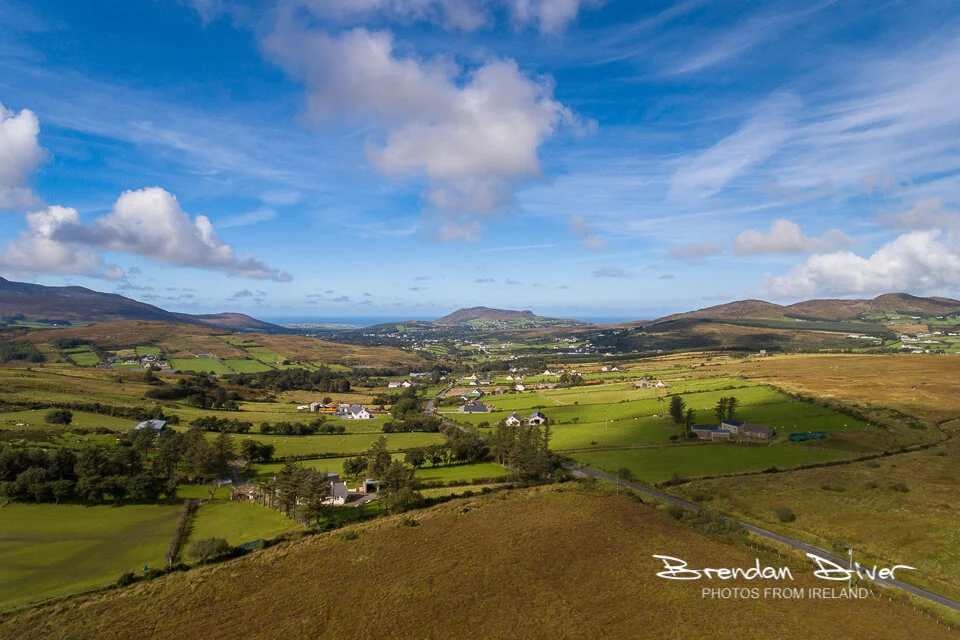


Lough Fad, Clonmany, Inishowen, Co. Donegal, Ireland. This stunning beauty spot is a beautiful landscape for images and creating photographs. A picture of sunset,art with photography, near Clonmany, Carndonagh and Buncrana.
Check out our Youtube channel click here


